How Streaming Services Are Changing Our Viewing Habits

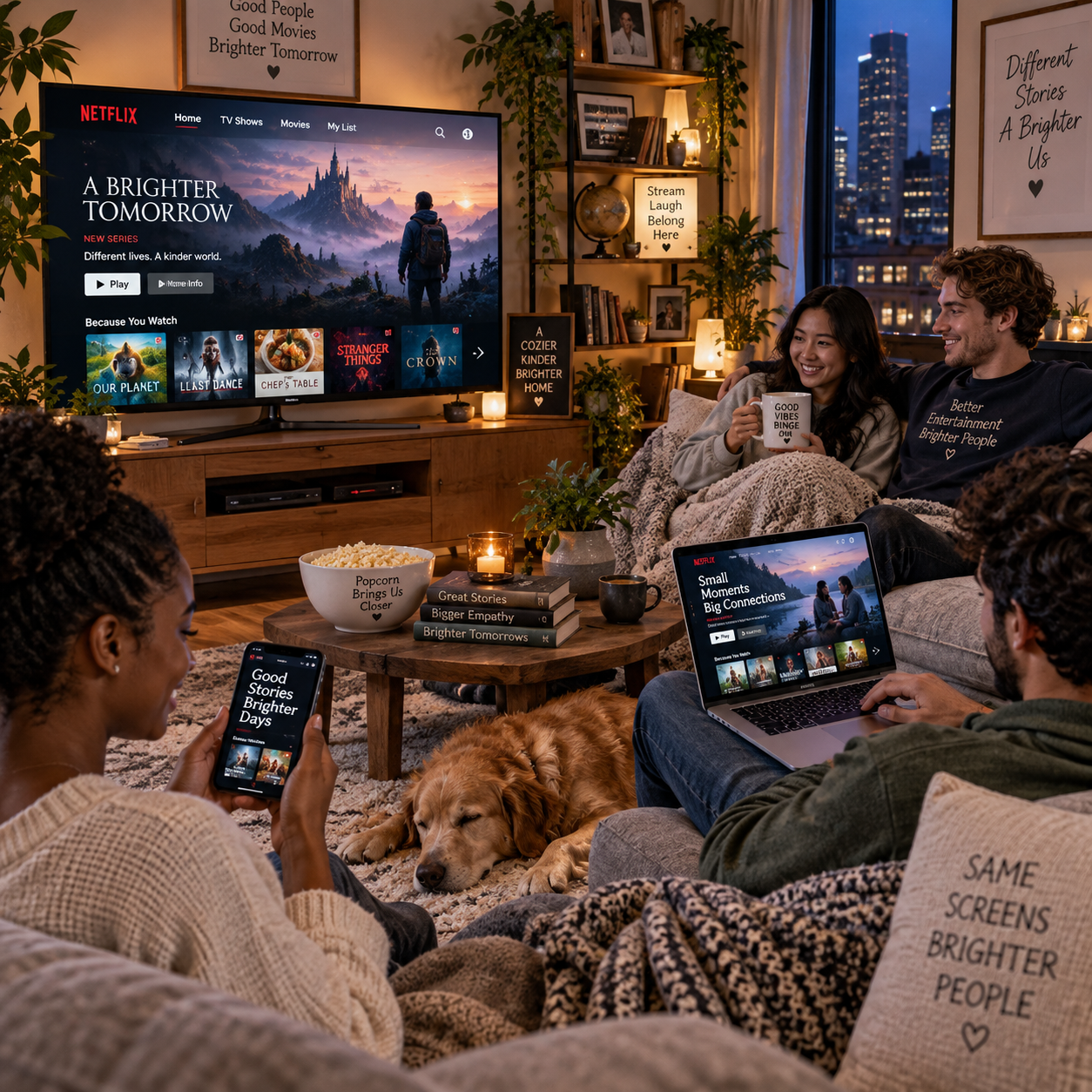
Streaming services have changed more than the way people access television and films. They have reshaped when we watch, where we watch, how we discover content, and what we expect from entertainment. Instead of building the evening around a fixed broadcast schedule, many viewers now choose a title, pause it, skip ahead, switch devices, or watch several episodes in one sitting.
This shift varies by age, household, internet access, and personal preference. Traditional television remains important for live events, news, and shared routines, while subscription video-on-demand has made flexible entertainment part of everyday life. The result is a viewing culture built around control, convenience, personalization, and an ever-expanding menu of choices.
From Fixed TV Schedules to On-Demand Entertainment
On-demand viewing gives audiences control over when, where, and how they watch entertainment. Viewers no longer need to be in front of a television at a particular hour to follow a program, because streaming libraries make shows and films available across a range of devices.
Traditional television organized time around the broadcaster. A sitcom began at 8 p.m., a film started after the evening news, and missing an episode could mean waiting for a repeat. Streaming reverses that relationship. The program waits for the viewer, whether that means watching during a commute, pausing to answer a phone call, or finishing an episode several days after starting it.
This flexibility has made entertainment easier to fit around work, school, childcare, and irregular schedules. A household can watch on a smart television after dinner, continue on a tablet in bed, or use a phone during a short break. Playback controls also give viewers practical power: they can pause, rewind, adjust subtitles, change audio tracks, and often skip introductions or recaps.
That freedom brings a subtle change in expectations. Waiting for a scheduled broadcast can feel inconvenient when audiences have become accustomed to instant access. Even television channels increasingly offer catch-up services and digital libraries because viewers expect programs to remain available beyond their original broadcast time.
The Rise of Binge-Watching
Binge-watching happens when viewers watch several episodes in one sitting, often because streaming services release full seasons and use autoplay. This pattern changes the pace of storytelling and encourages audiences to treat a series as one extended experience rather than a weekly appointment.
When an entire season arrives at once, viewers can choose their own rhythm. Some watch one episode each evening; others complete a season over a weekend. Autoplay reduces the pause between episodes, while end-of-episode previews and prominent next-button prompts make continuing almost effortless.
Full-season releases can strengthen immersion. Viewers remember character details more easily, follow complex plots without long gaps, and discuss an entire story soon after its release. Writers can also build tension across consecutive episodes instead of relying on a cliffhanger to bring audiences back seven days later.
There is a cost, however. Binge-watching can make entertainment feel less deliberate. A viewer who planned to watch one episode may continue for three hours because the next episode begins automatically. Long sessions can also reduce the shared anticipation once created by weekly television. People who watch at different speeds may avoid conversations to prevent spoilers.
Streaming has not eliminated weekly releases. Some platforms still release episodes gradually to create discussion and prolong attention. The choice between a full-season drop and a scheduled release now shapes not only viewing habits, but also the cultural life of a show.
Personalization and the Role of Recommendation Algorithms
Recommendation algorithms influence content discovery by using viewing history, searches, ratings, and browsing behavior to suggest personalized content. They help viewers navigate large libraries, but they also affect which titles receive attention and which choices remain unseen.
A streaming homepage is rarely a neutral shelf. It may display a row based on recent viewing, another featuring similar genres, and a collection chosen for a particular time of day or mood. Two people using the same service can receive noticeably different menus because their profiles have different histories.
This can be useful when viewers know they want something light, suspenseful, short, or suitable for children but do not have a specific title in mind. Personalized interfaces reduce the effort of searching and can introduce audiences to international films, documentaries, older programs, or niche genres they might not have found through traditional television.
Yet recommendations can narrow attention. If a viewer repeatedly chooses crime dramas, the service may continue presenting similar options, making the library feel smaller than it really is. Popular titles also tend to receive strong placement, while unfamiliar programs may require deliberate searching. In this sense, algorithms are both maps and filters.
A practical way to keep discovery broad is to use a three-step habit: accept one recommendation, search deliberately for one title outside the usual genre, and revisit a saved list before browsing the homepage. This preserves convenience without allowing the interface to make every decision.
A Wider Choice of Content—and More Decision Fatigue
Streaming services offer more content than traditional schedules could provide, but abundance can create decision fatigue. A larger library increases the chance of finding something suitable while also making the simple question of what to watch surprisingly difficult.
Traditional television limited choice by time and channel. Streaming removes many of those limits. Viewers can move between contemporary original programming, classic films, foreign-language series, animation, live-adjacent specials, documentaries, and short-form entertainment. This variety benefits households with different tastes and audiences whose interests are not well served by mainstream schedules.
The problem appears when choice becomes a task. A person may spend 20 minutes scrolling through menus, watching trailers, and comparing thumbnails before abandoning the search. The interface can turn relaxation into a small act of administration.
Decision fatigue also encourages familiar choices. When the selection feels overwhelming, viewers often return to a comfort series rather than risk an unfamiliar film. That behavior is understandable, but it means a larger library does not automatically produce more varied viewing habits.
Simple boundaries help. Choose a genre before opening the service, maintain a short watchlist, or set a five-minute browsing limit. For households, taking turns choosing can prevent one person from becoming the permanent programmer of the evening.
How Streaming Is Changing Shared Viewing
Streaming has transformed shared viewing by making it easier to watch together across distance while making household schedules more individualized. People can still gather around one screen, but they also watch separately, synchronize remotely, and discuss shows through social media.
In many homes, family members now have different profiles and different viewing routines. One person may watch a drama on a laptop, another may follow a comedy on a phone, and everyone may meet for a film later. This arrangement offers personal choice, yet it can weaken the shared television routine that once brought households together at a fixed hour.
Watch parties and synchronized playback have created a new form of social viewing. Friends in different cities can press play together, exchange messages, and react in real time. Social platforms extend that conversation through reviews, memes, theories, and short clips. A series can become a communal event even when viewers are physically apart.
Spoilers have become harder to manage. A person who watches immediately may discuss a major plot development online while another household is still waiting for the weekend. Release timing therefore affects social participation. Watching quickly can feel like a way to remain part of the conversation; watching slowly can require avoiding online spaces.
The shared moment has changed rather than disappeared. It may now happen at a chosen time, inside a group chat, or through a social media discussion instead of around a single broadcast schedule.
New Expectations for Shows, Films, and Platforms
Streaming has raised expectations for flexible access, high-quality originals, frequent releases, and convenient viewing across devices. Audiences increasingly expect entertainment to be easy to find, resume, personalize, and watch without being tied to one screen.
Original programming has become central to the streaming experience. Services use exclusive series and films to attract subscribers, while viewers often judge a platform by the strength of its distinctive catalog. This has encouraged ambitious storytelling, international productions, limited series, and formats designed for sustained attention.
At the same time, convenience has become part of perceived quality. Viewers expect reliable playback, accurate subtitles, useful parental controls, clear profiles, and a consistent experience on televisions, computers, tablets, and phones. A strong show can lose momentum if it is difficult to locate or resume.
Audience expectations around availability have also shifted. People may assume that a title can be watched immediately, only to discover regional restrictions, rotating catalogs, or separate subscriptions. Streaming provides access, but access is not always permanent or universal.
Platforms must balance release frequency with audience attention. Releasing several titles at once offers choice and momentum, while a weekly schedule can give a show time to develop conversation. Neither approach suits every story or viewer.
The Benefits and Drawbacks of Streaming-Led Habits
Streaming-led viewing habits offer convenience, flexibility, and personalization, but they can also produce excessive screen time, subscription overload, and fragmented audiences. The overall effect depends on how people use the services and how platforms design the viewing experience.
- Convenience: Viewers can access entertainment at times that suit their lives, with pause, rewind, subtitles, and device switching built into the experience.
- Personal choice: Personalized content and broad libraries serve different tastes, languages, ages, and interests more effectively than a narrow broadcast schedule.
- Better access to variety: Original programming, independent films, international series, and older titles can reach audiences beyond their traditional markets.
- Longer screen sessions: Autoplay, cliffhangers, and frictionless playback can encourage people to watch beyond their original intention.
- Subscription overload: Exclusive content spread across several services can make entertainment more expensive and difficult to manage.
- Fragmented conversation: Friends and families may follow different titles, release schedules, and services, reducing the number of programs everyone shares.
Streaming also changes the meaning of choice. Having control over content does not guarantee control over time. A useful personal rule is to decide the number of episodes before pressing play, disable autoplay when it encourages unwanted continuation, and review subscriptions regularly rather than keeping every service indefinitely.
Traditional television still has advantages, especially for live sports, news, ceremonies, and communal viewing. Streaming works best when its flexibility supports intentional choices instead of turning every spare moment into another viewing session.
Frequently Asked Questions
How has streaming changed the way people watch television?
Streaming has moved television from fixed schedules toward on-demand viewing. People can choose the time, location, device, episode order, and pace that suit them, although live television remains important for shared events and real-time programming.
Why do streaming services encourage binge-watching?
Full-season releases, autoplay, cliffhangers, and immediate access make it easy to continue watching. These features reduce interruptions and encourage longer sessions, even when viewers originally intended to watch only one episode.
Do recommendation algorithms affect what viewers choose?
Yes. Recommendation algorithms use signals such as viewing history and searches to rank personalized content. They can help people discover suitable titles, but repeated suggestions may also narrow exposure to unfamiliar genres and creators.
Is streaming replacing traditional television?
Streaming is replacing some scheduled and recorded television viewing, but it has not eliminated traditional television. Broadcast and cable remain useful for live events, news, local programming, and households that prefer a simple scheduled experience.
What are the disadvantages of modern streaming habits?
Common disadvantages include excessive screen time, decision fatigue, subscription overload, fragmented social viewing, spoiler anxiety, and reduced anticipation between episodes. These effects vary according to household routines, personal preferences, and access to services.
Streaming has changed more than what people watch. It has changed their expectations about control, access, discovery, and time. The modern viewer can shape an evening around entertainment with remarkable precision, but that freedom also requires choices about attention, spending, and when to stop watching.