How Friends and The Simpsons Shaped Popular Culture

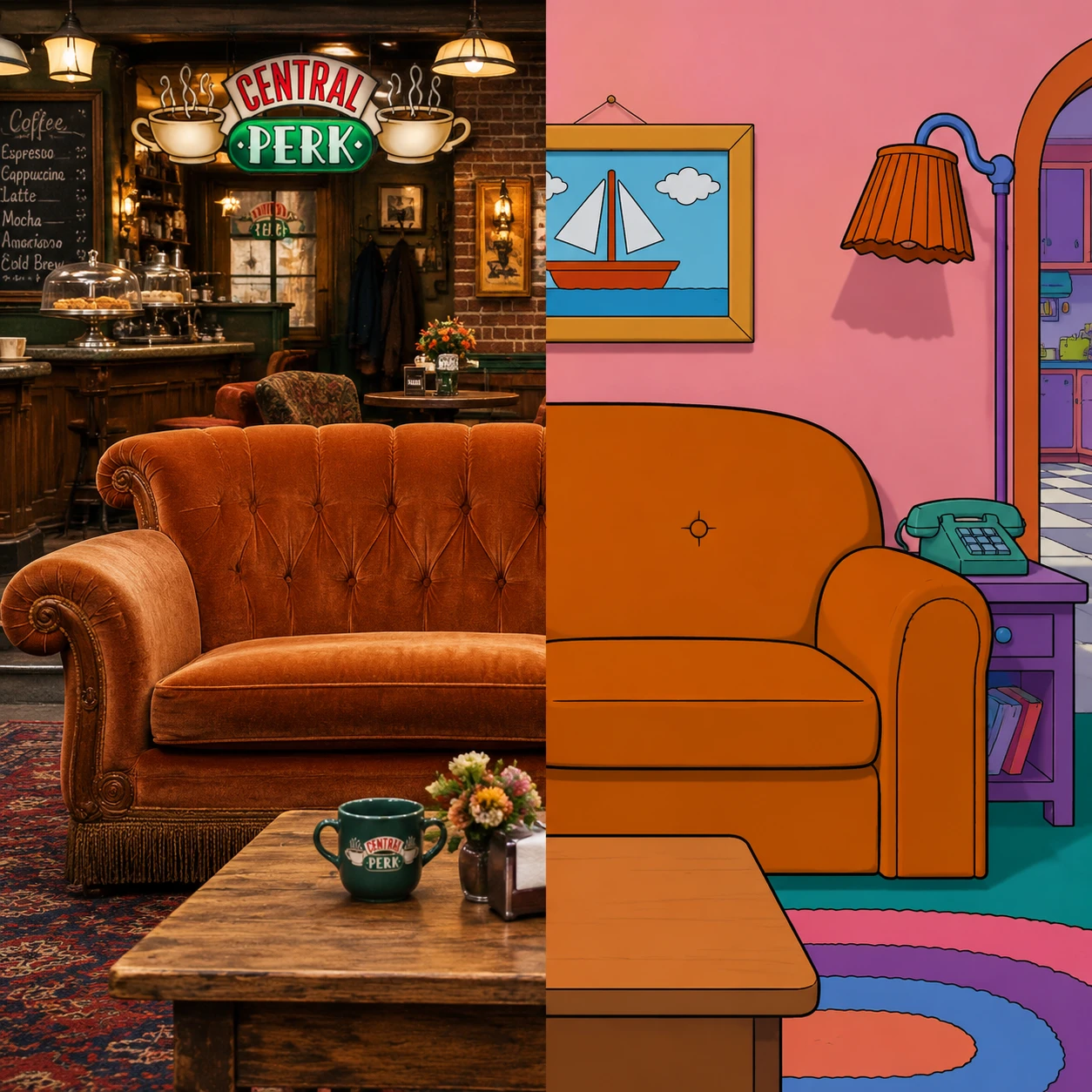
Some television shows leave the screen and settle into everyday life. People quote their jokes, borrow a character’s look, and use familiar scenes to describe their own friendships or family arguments. Friends and The Simpsons did this in different ways: one made a close-knit group of young adults feel like a shared social circle, while the other turned an ordinary cartoon family into a vehicle for satire.
Their cultural impact is not a single, measurable change in how people live. It is the accumulation of references, styles, and familiar character types that audiences carry with them. That influence also shifts over time, as new viewers discover the shows and older fans reconsider what they depict.
Why Some TV Shows Become Cultural Touchstones
TV shows become cultural touchstones when memorable characters, repeatable stories, and recognizable humor give audiences common reference points. A successful television sitcom can make its fictional world feel familiar enough to enter real conversations.
Recurring settings help. A coffee shop, family home, or neighborhood bar becomes a place viewers know without explanation. The characters then supply a kind of social shorthand: someone can describe a friend as the organized one, the lovable oddball, or the perpetual schemer, and listeners understand the archetype.
Friends built its appeal around a stable ensemble and the shifting bonds among its six central characters. The Simpsons used a family and their town of Springfield to tell stories that could move from domestic mishaps to school, work, politics, or media. Both formats welcomed viewers into an ongoing world, but their broad appeal came from different sources: social familiarity in one, comic exaggeration and satire in the other.
Repetition matters, too. A recurring joke or catchphrase becomes easier to remember each time it returns. Yet familiarity alone does not guarantee lasting relevance. A show needs characters and situations that audiences can interpret in more than one era.
Friends and the Sitcom’s Social World
Friends shaped popular culture by presenting friendship as a central part of adult life and giving that world a distinctive New York style. Its characters’ shared routines made a close group feel like a chosen family, even as the series centered on romance, work, and changing responsibilities.
The show’s apartment and coffeehouse scenes turned ordinary time together into the main event. Friends dropped in, talked through breakups, argued over small things, and returned after disagreements. That version of companionship was aspirational for some viewers, though it was also a polished sitcom fantasy: the characters had unusually accessible homes, flexible time, and a dependable gathering place.
Fashion became another visible part of its legacy. Rachel Green’s changing wardrobe, Monica Geller’s practical outfits, and Phoebe Buffay’s more eclectic choices gave viewers distinct style references. Haircuts and clothing associated with the characters circulated beyond the show, helping make television fashion a point of imitation and conversation. The effect was not universal; viewers adopted some looks, ignored others, or encountered them later as nostalgic throwbacks.
Friends also reflected social norms around dating, careers, and adulthood in the 1990s and early 2000s. Its characters’ lives made those themes easy to discuss, but its narrow picture of New York and its limited representation of the city’s diversity have drawn criticism. The show remains a useful cultural snapshot, not a complete portrait of urban life.
The Simpsons as a Mirror of Society
The Simpsons uses satire, family dynamics, and the fictional town of Springfield to comment on contemporary life. Its animated setting lets the series exaggerate institutions and public behavior while keeping the Simpsons’ household at the center.
Homer, Marge, Bart, Lisa, and Maggie each serve recognizable roles, but the show often bends those character archetypes for a joke or an argument. Homer can embody impulsiveness and workplace frustration; Lisa can voice idealism and skepticism; Bart’s pranks can puncture adult authority. The humor moves between family comedy and wider targets such as politics, advertising, school, and television itself.
Springfield makes that range possible. The town’s residents, businesses, and institutions create a small-scale setting for stories about community life. Because the location is fictional and deliberately inconsistent, it can feel like almost anywhere and nowhere at once. That looseness gives writers room to satirize different parts of American culture without committing to a realistic map.
The show’s long life has also changed how its satire lands. A joke that once felt sharply current may now read as a period piece, while other observations still resonate. Its cultural importance comes partly from this archive-like quality: episodes preserve the anxieties, celebrities, and media habits of the era in which they were made. But no animated satire can represent every audience, and viewers may disagree about which targets it handles well.
Catchphrases, Characters, and Shared References
Both series gave audiences catchphrases, character types, and quotable dialogue that work as shared references. A short line or familiar gesture can bring back an entire scene, even for someone who has not watched an episode in years.
Friends is closely associated with lines and expressions tied to particular characters, including Joey’s comic confidence and Ross’s exasperated reactions. The Simpsons built a similarly durable vocabulary through repeated bits, voices, and visual gags. A catchphrase is most useful socially when it is recognizable but does not need a long explanation; it lets people signal affection for a show or tease someone in a familiar way.
The characters themselves travel just as well. The loyal friend, the anxious perfectionist, the mischievous child, and the well-meaning but unreliable parent are not inventions of these series, but their specific versions became easy points of comparison. That is how TV sitcoms influence everyday language: they provide vivid examples for social roles viewers already recognize.
Shared references can bridge generations, though the bridge has limits. Someone who watched original broadcasts may remember the cultural moment around an episode, while a younger viewer may know the same joke through a clip or meme. The reference survives, but its meaning can change.
How Viewing Habits Keep Their Legacy Alive
Reruns, syndication, streaming, and online clips keep older shows available to new audiences. These routes extend a series’ visibility, though they do not guarantee that every viewer will watch it or interpret it the same way.
Syndication placed episodes in repeated television schedules, making familiar sitcoms easy to encounter outside their original broadcast. Streaming changed the experience: viewers can watch in sequence, revisit favorite episodes, or sample a scene without following the full series. Short clips and memes can introduce a joke to people who have never seen the surrounding story.
That access encourages generational nostalgia, but nostalgia is only part of the appeal. Some viewers return for the comfort of known characters; others are curious about a show they heard quoted by family or encountered online. A first-time viewer may focus on details that older fans overlook, including dated jokes, old technology, or shifting social expectations.
Availability also has a trade-off. Streaming libraries change, and a scene removed from its episode can lose context. A clip may preserve a punchline while obscuring the setup or the show’s broader point. Watching the full episode offers more nuance, though it takes more time than scrolling past a reference.
Influence, Criticism, and Changing Perspectives
The cultural meaning of Friends and The Simpsons changes as audiences revisit them with new expectations. Their influence can be real and visible while still being uneven, limited, or open to criticism.
Older sitcoms reflect the conventions of the periods in which they were produced. Some jokes, assumptions, and patterns of representation may feel dated to present-day viewers. Rewatching does not require either dismissing a whole series or defending every choice it made. It can mean noticing what worked for audiences then, what feels different now, and whose perspectives were missing.
For Friends, discussions often include its idealized view of city life and its relatively narrow representation of New York. For The Simpsons, viewers may debate the limits of its satire, how its humor treats particular characters, and how a long-running show changes over time. These conversations are part of a show’s afterlife, not evidence that its legacy has one fixed verdict.
A helpful way to assess an old favorite is to separate three questions: What did the show make memorable? What social world did it leave out or simplify? And what does a modern viewer bring to the experience? That approach allows affection and criticism to coexist without turning either series into a flawless cultural monument.
What Their Staying Power Reveals About Television
The staying power of Friends and The Simpsons shows how television can create shared cultural material through distinct formats. One made everyday conversation and friendship feel like its subject; the other used an animated family and a flexible town to satirize public life.
Their legacies are not interchangeable. Friends is remembered for ensemble chemistry, relationship stories, style, and the appeal of a dependable social circle. The Simpsons is remembered for satire, Springfield’s many characters, and jokes that could target both the ordinary and the absurd. Together, they show why memorable television travels beyond its original audience: characters and scenes offer people a way to talk about their own world.
That conversation keeps changing as shows move from scheduled broadcasts to syndication, streaming, and short-form clips. Viewers may laugh at an old line, borrow a familiar reference, or question a joke that once passed without comment. Cultural impact is not a permanent score. It is an ongoing exchange between the stories television tells and the audiences who keep finding them.